
Health & Wellness
How to Release the Pinched Nerve in the Lumbar Area (sciatica)- 2 Simple Ways to Treat the Pain

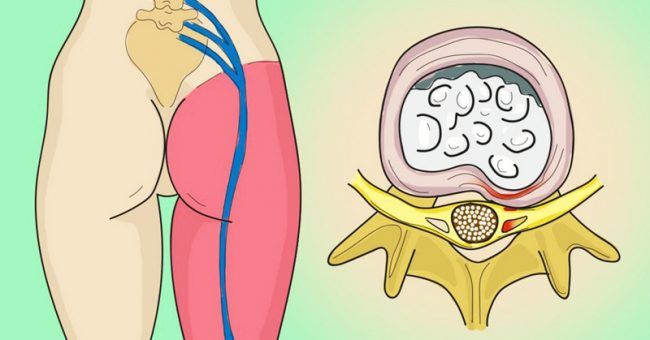
Sciatica, caused by a pinched nerve in the lumbar area, can result in intense, radiating pain that travels from your lower back down to your legs.
This condition is often triggered by irritation or compression of the sciatic nerve, which can occur due to a herniated disc, spinal stenosis, or other lower back problems.
If you’re suffering from sciatica, the pain can significantly impact your daily life, but there are ways to alleviate the discomfort.
Below are two simple, effective methods to help release the pinched nerve and relieve the pain associated with sciatica.
Understanding Sciatica and Its Symptoms
Before diving into the treatment methods, it’s important to understand what sciatica is and how it presents itself. Sciatica occurs when the sciatic nerve—the longest nerve in your body—becomes irritated or compressed. Common symptoms include:
- Sharp or shooting pain in the lower back, buttocks, and down the leg
- Numbness or tingling in the affected leg or foot
- Weakness in the leg or difficulty moving the foot
- Burning or electric shock-like sensations
If left untreated, sciatica can worsen and lead to chronic discomfort. Fortunately, there are ways to manage and relieve the pain effectively at home.
1. Stretching Exercises to Release the Pinched Nerve
One of the most effective ways to relieve sciatic pain is through targeted stretching exercises. These stretches help release tension in the lower back and leg muscles, reducing pressure on the sciatic nerve and improving mobility.
Piriformis Stretch
The piriformis muscle, located deep in the buttock, can sometimes irritate the sciatic nerve if it becomes tight or inflamed. Stretching this muscle can help relieve pressure and reduce pain.
How to Perform the Piriformis Stretch:
- Lie on your back with both knees bent and your feet flat on the floor.
- Cross your right leg over your left thigh, so your right ankle rests on your left knee.
- Hold the back of your left thigh with both hands and gently pull your left leg toward your chest. You should feel a stretch in your right buttock and lower back.
- Hold the stretch for 20-30 seconds, then switch sides and repeat.
This stretch helps loosen the muscles surrounding the sciatic nerve and can alleviate pressure, providing relief from pain.
Cat-Cow Stretch
The Cat-Cow stretch is a gentle yoga pose that can improve flexibility in the lower back and spine, helping to reduce compression on the sciatic nerve. This movement helps improve circulation and releases tension in the lumbar area.
How to Perform the Cat-Cow Stretch:
- Start on your hands and knees in a tabletop position, with your wrists aligned under your shoulders and your knees under your hips.
- Inhale and arch your back, dropping your belly toward the floor while lifting your head and tailbone toward the ceiling. This is the “cow” position.
- Exhale and round your back, tucking your chin toward your chest and drawing your belly button up toward your spine. This is the “cat” position.
- Repeat this movement 10-15 times, moving slowly and breathing deeply through each transition.
This gentle back-and-forth motion helps release tension in the lumbar area, improving mobility and reducing sciatic nerve pain.
2. Heat and Cold Therapy
Heat and cold therapy is a simple yet effective way to reduce sciatic nerve pain by addressing inflammation and muscle tightness. Alternating between heat and cold can provide immediate relief and improve circulation to the affected area.
Cold Therapy (Ice)
Applying an ice pack or cold compress can help numb the sciatic nerve and reduce inflammation, especially during the initial onset of pain.
How to Use Cold Therapy:
- Apply an ice pack or cold compress to the lower back or the painful area for 15-20 minutes at a time.
- Wrap the ice pack in a towel to prevent skin damage.
- Use cold therapy every 2-3 hours during the first 48 hours after the pain starts.
Cold therapy is particularly helpful when the pain is acute and caused by swelling or inflammation around the nerve.
Heat Therapy
Heat therapy helps relax tight muscles around the sciatic nerve, improving blood flow and reducing muscle spasms. It can be especially beneficial for chronic sciatic pain.
How to Use Heat Therapy:
- Apply a heating pad or warm towel to the lower back for 20-30 minutes.
- Make sure the heat is warm, not hot, to avoid burns.
- Use heat therapy several times throughout the day, particularly before stretches or light exercise.
Alternating between heat and cold therapy can help balance inflammation and relaxation of muscles, promoting faster relief and healing.
Final Tips for Sciatica Relief
- Stay Active: While bed rest may seem appealing, staying moderately active is important for managing sciatica. Gentle movement and stretching can improve blood flow and prevent muscle stiffness.
- Maintain Good Posture: Whether sitting or standing, make sure to maintain proper posture to avoid putting additional strain on your lower back.
- Consider Professional Help: If at-home treatments do not provide relief, consider seeing a physical therapist, chiropractor, or healthcare professional for further evaluation and treatment.
Sciatica pain caused by a pinched nerve in the lumbar area can be debilitating, but with the right approach, you can effectively manage and relieve the pain.



Strengthen Your Immunity With This Green Ginger Smoothie
Did you know that ginger is one of the most searched terms in search engines in recent months? Ginger tea,...


4-Ingredient Delicious Keto Pizza
Crispy, tasty and easy to prepare, and you only need 4 ingredients for the dough. An additional advantage of this...


Healthy Coconut Flour Vanilla Cookies
There is not much introduction here – a lighter, low-carb and protein-rich version of the famous traditional classic cookies that...


Raspberry Detox Smoothie To Kickstart Your Morning
From time to time, and especially after some increased food and drink intakes (after holidays), I like to start the...


Fall Pumpkin and Lentil Salad
I know that we are used to eating pumpkin in a sweet version, but why not try it in this...
You must be logged in to post a comment Login