
Cleansing
22 Alkaline Foods That Will Help Clean and Remove Acids From Your Body

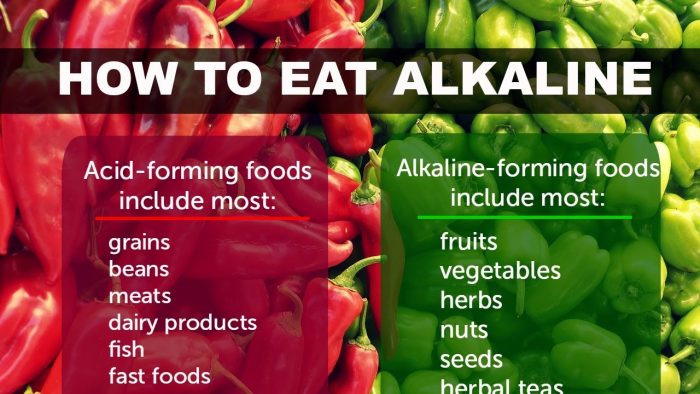
Maintaining an optimal pH balance in the body is crucial for overall health and well-being. The modern diet, filled with processed foods, sugar, and red meat, tends to increase acidity in the body, leading to a range of health issues, including inflammation, low energy, and weakened immunity.
Alkaline foods, on the other hand, help neutralize excess acid and promote a balanced internal environment. Consuming more alkaline foods can aid in detoxification, improve digestion, and support better overall health.
Here are 22 alkaline foods that will help cleanse your body and remove excess acids naturally.
1. Spinach
Spinach is one of the most alkaline leafy greens you can add to your diet. It is packed with essential nutrients, such as chlorophyll, magnesium, iron, and vitamins A and C, all of which help reduce acidity and promote detoxification.
How to Use: Add spinach to salads, smoothies, or sauté it as a side dish to help alkalize your body.
2. Kale
Kale is another leafy green that is rich in antioxidants, vitamins, and minerals. Its high chlorophyll content makes it highly alkaline, helping to cleanse your body and neutralize excess acid.
How to Use: Incorporate kale into salads, juices, or blend it into green smoothies for a nutritious and alkalizing boost.
3. Avocados
Avocados are highly alkaline and are a great source of healthy fats, fiber, and antioxidants. They support digestion, reduce inflammation, and help maintain an optimal pH balance in the body.
How to Use: Add sliced avocado to salads, sandwiches, or make guacamole for a healthy, alkalizing snack.
4. Cucumber
Cucumbers have a high water content and are naturally alkaline, making them great for hydration and flushing toxins from the body. They also contain vitamins C and K, which promote detoxification and alkalinity.
How to Use: Enjoy cucumber slices in salads, water infusions, or snack on them raw for an alkalizing crunch.
5. Broccoli
Broccoli is a cruciferous vegetable rich in vitamins C, K, and fiber. It is highly alkaline and helps neutralize acidity in the body while supporting liver detoxification.
How to Use: Steam, roast, or add broccoli to stir-fries and salads to boost your intake of this alkalizing vegetable.
6. Lemons
Despite their acidic taste, lemons have an alkalizing effect on the body once metabolized. They are rich in vitamin C and antioxidants, which help cleanse the liver and flush out toxins.
How to Use: Start your day with a glass of warm lemon water to kickstart digestion and promote alkalinity.
7. Limes
Like lemons, limes are acidic in taste but become alkaline during digestion. They are packed with vitamin C, which helps strengthen the immune system and eliminate acids from the body.
How to Use: Add lime juice to water, salad dressings, or use it to flavor dishes for a zesty, alkalizing kick.
8. Bell Peppers
Bell peppers are rich in antioxidants, especially vitamin C, which helps the body combat oxidative stress and reduce acidity. Their high water content also aids in hydration and detoxification.
How to Use: Enjoy bell peppers raw in salads, or roast them to add to stir-fries and wraps.
9. Celery
Celery is a hydrating and alkalizing vegetable that is low in calories but rich in antioxidants and fiber. Its natural diuretic properties help flush out excess acids and toxins from the body.
How to Use: Snack on celery sticks, add them to salads, or blend them into smoothies for an alkalizing effect.
10. Zucchini
Zucchini is a versatile, low-calorie vegetable that has an alkalizing effect on the body. It’s rich in water, fiber, and essential nutrients that help balance the body’s pH and support digestion.
How to Use: Grill, sauté, or spiralize zucchini for a healthy, alkalizing meal.
11. Beet Greens
Beet greens are an often-overlooked superfood that is highly alkaline and packed with nutrients. They are rich in fiber, calcium, iron, and vitamins A and K, which help remove acids and cleanse the body.
How to Use: Use beet greens in salads, smoothies, or sauté them as a nutrient-rich side dish.
12. Cabbage
Cabbage is another cruciferous vegetable that is known for its detoxifying and alkalizing properties. It helps promote digestion, reduce inflammation, and balance the body’s pH levels.
How to Use: Enjoy cabbage in salads, coleslaws, or fermented as sauerkraut for added probiotic benefits.
13. Basil
Basil is an aromatic herb with powerful alkalizing and anti-inflammatory properties. It contains essential oils and antioxidants that support liver function and help cleanse the body of toxins.
How to Use: Add fresh basil to salads, smoothies, or use it to garnish pasta dishes for a fresh, alkaline boost.
14. Carrots
Carrots are rich in beta-carotene and other antioxidants that help reduce acidity in the body. They support healthy digestion and promote alkalinity by neutralizing toxins.
How to Use: Enjoy carrots raw as a snack, or add them to salads, soups, and smoothies for a sweet, alkalizing crunch.
15. Asparagus
Asparagus is a natural diuretic that helps the body flush out excess toxins and acids. It is rich in fiber, folate, and vitamins A, C, and E, making it a highly alkaline food.
How to Use: Steam or grill asparagus as a side dish, or add it to salads and stir-fries.
16. Almonds
Almonds are one of the most alkaline nuts, and they are packed with healthy fats, protein, and magnesium. Eating almonds can help balance blood sugar, reduce inflammation, and support alkalinity.
How to Use: Snack on raw almonds, or add almond butter to smoothies for a healthy, alkaline treat.
17. Quinoa
Quinoa is a gluten-free grain that is highly alkaline and rich in protein, fiber, and essential minerals. It helps balance pH levels in the body and supports healthy digestion.
How to Use: Cook quinoa as a side dish, add it to salads, or use it as a base for a nutrient-packed meal.
18. Watermelon
Watermelon is not only hydrating but also highly alkaline, making it great for cleansing the body. It is rich in vitamins A and C, as well as antioxidants that help flush out toxins.
How to Use: Enjoy watermelon slices as a refreshing snack or add them to smoothies for an alkalizing treat.
19. Pineapple
Pineapple is another fruit that, despite its acidic taste, has an alkalizing effect on the body. It contains bromelain, an enzyme that aids digestion and helps reduce inflammation.
How to Use: Add fresh pineapple to smoothies, salads, or enjoy it as a snack for a sweet, alkaline boost.
20. Coconut Water
Coconut water is a natural electrolyte-rich beverage that helps hydrate the body and restore pH balance. It is highly alkaline and supports detoxification and digestion.
How to Use: Drink coconut water on its own, or blend it into smoothies for added hydration and alkalinity.
21. Parsley
Parsley is a powerful alkalizing herb with detoxifying properties. It is rich in vitamins K, C, and A, as well as chlorophyll, which helps neutralize acids and cleanse the body.
How to Use: Add fresh parsley to salads, smoothies, or use it as a garnish to boost alkalinity.
22. Berries
Berries like strawberries, blueberries, and raspberries are rich in antioxidants and alkaline-forming properties. They help reduce inflammation, detoxify the body, and support overall health.
How to Use: Enjoy fresh berries as a snack, add them to salads, or blend them into smoothies for a delicious, alkalizing treat.
Incorporating more alkaline foods into your diet is a simple yet effective way to help neutralize acids, cleanse your body, and promote overall health.


Strengthen Your Immunity With This Green Ginger Smoothie
Did you know that ginger is one of the most searched terms in search engines in recent months? Ginger tea,...


4-Ingredient Delicious Keto Pizza
Crispy, tasty and easy to prepare, and you only need 4 ingredients for the dough. An additional advantage of this...


Healthy Coconut Flour Vanilla Cookies
There is not much introduction here – a lighter, low-carb and protein-rich version of the famous traditional classic cookies that...

Raspberry Detox Smoothie To Kickstart Your Morning
From time to time, and especially after some increased food and drink intakes (after holidays), I like to start the...

Fall Pumpkin and Lentil Salad
I know that we are used to eating pumpkin in a sweet version, but why not try it in this...
You must be logged in to post a comment Login